By: Shannon DeLeon
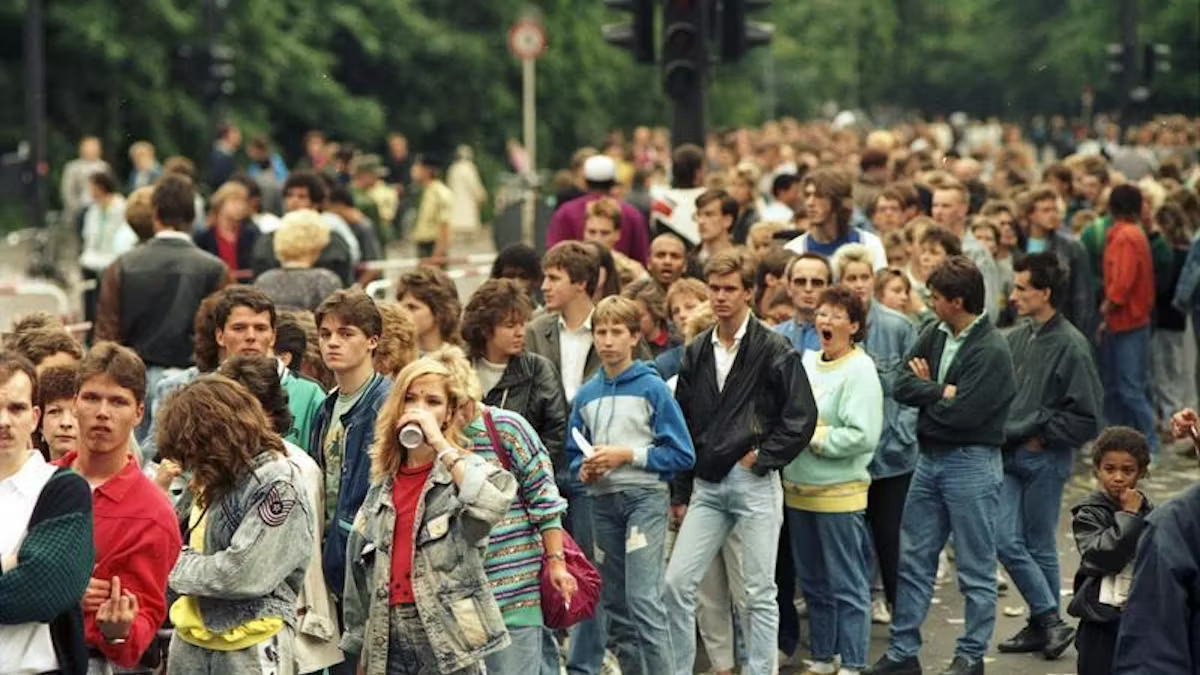
From football games to massive and underground concerts alike, ticketing for a variety of events has become a widespread, anxiety-inducing, institutional issue. In recent years, from college sports to the NFL to record-breaking concerts, getting tickets to events has become not only an internet phenomenon but a competition. This painful rivalry has been termed The Ticketmaster War by various sects of the entertainment-loving internet. From increased usage of artificially intelligent bots to mass-purchase tickets to server overloads and the overall monopolization of ticket sales, a variety of issues have led to this increase in anxiety when it comes to buying event tickets. Securing admission to events, even high-profile events, used to be easy and far more commonplace. Now, even getting close to securing tickets to these events is a feat in and of itself.
Concerts have been one of the biggest battlegrounds when it comes to this grave battle over event tickets. In September 2025, the Federal Trade Commission (FTC) filed suit against Ticketmaster and Live Nation (its parent company) over potential illegal resale strategies. The FTC alleged that Ticketmaster, which has monopolized the ticket industry in recent years, coordinated with mass buyers who would later sell the tickets at far higher prices. This practice violates the Federal Trade Commission Act, a federal trade law focused on consumer protection. This makes such events inaccessible for so many attendees, who, years ago, would have been able to attend. In the past, tickets to high-profile events sold for as little as twenty dollars, at current US Dollar rates.
One of the biggest changes from the past when it comes to ticket sales is the presence of artificial intelligence bots in the sales queues. This adds even more competition to the already competitive ticket market for consumers. Bots mass-buy (or pretend to mass-buy) event tickets and sell them at skyrocketing prices, if they sell them at all. This is scamming at its finest and leads to consumers losing out on sometimes hundreds of dollars.
Taylor Swift’s The Eras Tour was one of the biggest concert tours affected by reselling, bots, and overloaded servers in the last few years. Sophia Summers, a senior Civil Engineering student from Lawrenceville, tried to get tickets to the tour six times and failed each time. She says, “Ticketmaster is a terribly run company in the way they handle ticket sales.” She highlights how poorly managed the queue is, which “often glitches,” resulting in being sent back to the beginning of the queue and losing out on a potential once-in-a-lifetime opportunity.
Another massive issue present in current ticket sales is dynamic pricing and the fees involved in event ticketing. Dynamic pricing is the real-time adjustment of ticket prices on sites such as Ticketmaster, SeatGeek, and StubHub, based on demand in the moment. This can shoot ticket prices times and times over their face value, as has been the case with very popular tours such as The Eras Tour, Noah Kahan’s forthcoming Great Divide tour, and Oasis’ 2024 Reunion tour. Another issue, on top of price hikes as a result of dynamic pricing, is the fees imposed on tickets, which are often hidden when making seat choices. This tactic has infiltrated and impacted many different spheres of events, including this year’s impending World Cup, with FIFA utilizing the practice. Karolina Fraire, a sophomore Management major from Dalton, who was able to secure tickets to Hannah Bahng’s Misunderstood World Tour, told me, “Ticketmaster’s fees are insane. Why am I paying near or over a hundred dollars for processing fees? Sometimes the fees come out to be almost the same price as another concert ticket.”
When it comes to solutions, there are a variety of ways to confront this issue. The federal TICKET Act was introduced in the Senate in 2025 to work toward reforming or completely doing away with dynamic pricing and hidden fees on top of already exorbitantly priced tickets. This bill, if passed into law, would mandate ticket sites to prominently display the total price at the time the specific ticket is first shown to the consumer. It also requires ticket advertisements to show the total price for the ticket, rather than merely the price before fees, etc. The law would also have specific requirements regarding not posting tickets for sale unless they are in the hands of the seller, which would limit the power of bots and mass-buyers.
The FTC case against Live Nation resulted in a settlement in early March 2026. Live Nation agreed to exit nearly twenty exclusive agreements with venues, limit fees to under 15% of ticket face value, and open its platform to other ticketing sales companies. We have yet to see if these changes make purchasing tickets less of a fight.
Transparency when it comes to pricing, decreasing the use of dynamic pricing, and working to de-monopolize the ticket sales industry would make events such as concerts, football games, and comedy shows accessible to all in a way they have not truly been in decades. People could spend less time and money to enjoy more of the things they love.