By: Marcus Vera
The primary goal of any profit-seeking corporation is simple — maximize shareholder revenue. However, this goal has to be balanced with what consumers expect from the companies they purchase from. After all, there’s no business without buyers.
But what happens when corporate and consumer interests clash? When social movements rise and fall, is it profitable for corporations to keep up? Is it possible for corporations to balance profit with politics, and to what extent can they before customer interests infringe upon their shareholder obligations?
It may seem appealing to opt towards political neutrality in these instances, for corporations to stay under the radar until the next social trend passes. However, this can often lead to mass consumer backlash. For example, in 2025, Target rolled back numerous initiatives DEI serving the Black community following the Trump Administration’s federal cuts to similar programs. In an effort to not diminish shareholder value, Target stood politically neutral on the issue, prioritizing shareholder obligations over trending social activism.
Despite America’s rightwing political environment, Target’s efforts to preserve profitability backfired. Black consumers across the United States boycotted Target, causing stock prices to plummet and even CEO, at the time, Brian Cornell, to step down. The incident exemplifies the delicate balance corporations must find between being politically amicable yet profitable, as well as the resulting consequences when they may make the wrong judgement call.
Corporate Political Activism Throughout the 21st Century
The 2025 Target boycott is just one of many recent examples of consumers’ demanding action from corporations. Throughout the 21st century, corporate political activism became a widely accepted, and often expected, practice. However, consumers haven’t always been so outspoken.
In the early 2000s, companies were expected to stay neutral in political issues. Coca-Cola faced international consumer boycotts due to U.S. involvement in the Iraq War in 2003. The Atlanta based company maintained their stance as a non-political corporation instead of making a public statement, focusing their advertisement campaign on brand perception rather than social activism to avoid losing more customers.
The 2010s marked a shift in this business approach, with influential social movements like Black Lives Matter and LGBTQ+ rights becoming widely supported by consumers. These trends altered consumer-corporate relations, and by 2018, 64% of consumers wanted companies they supported to be political advocates for the marginalized. This is a sharp contrast from how corporations, like Coca-Cola, handled divisive issues in the early 2000s.
However, Trump’s second presidential term characterized a conservative political shift in our nation, with the American population seeing a rise in right-wing ideology. Multiple conservative movements, such as Turning Point USA and Project 2025, began to garner governmental and public support, and corporations were, again, at a crossroads. In order to appease both consumers and the Trump administration, many companies shifted their political messaging to “stay quiet” on political issues and preserve shareholder relations. By 2025, many opted to lean towards the political neutrality of the early 2000s, prioritizing their profitability over activism.
Productive or Preformative?
Since corporations often shift their political views to conform to societal expectations, many question how genuine corporate activism really is. Many corporations use political activism simply as a marketing strategy, shifting their attitudes on social issues to match those of their consumer base.
Rice University found that in majority liberal U.S. states, corporations were 18% more likely to use “change oriented” marketing strategies than in conservative states, aiming to appease their consumer base and increase revenues. However, when national legislation furthering civil rights passed, these trends shifted. The same Rice University study found that when same same-sex marriage was nationally legalized in 2015, the study’s same corporations were more likely to use “change oriented” marketing strategies towards marriage equality — both in liberal and conservative states.
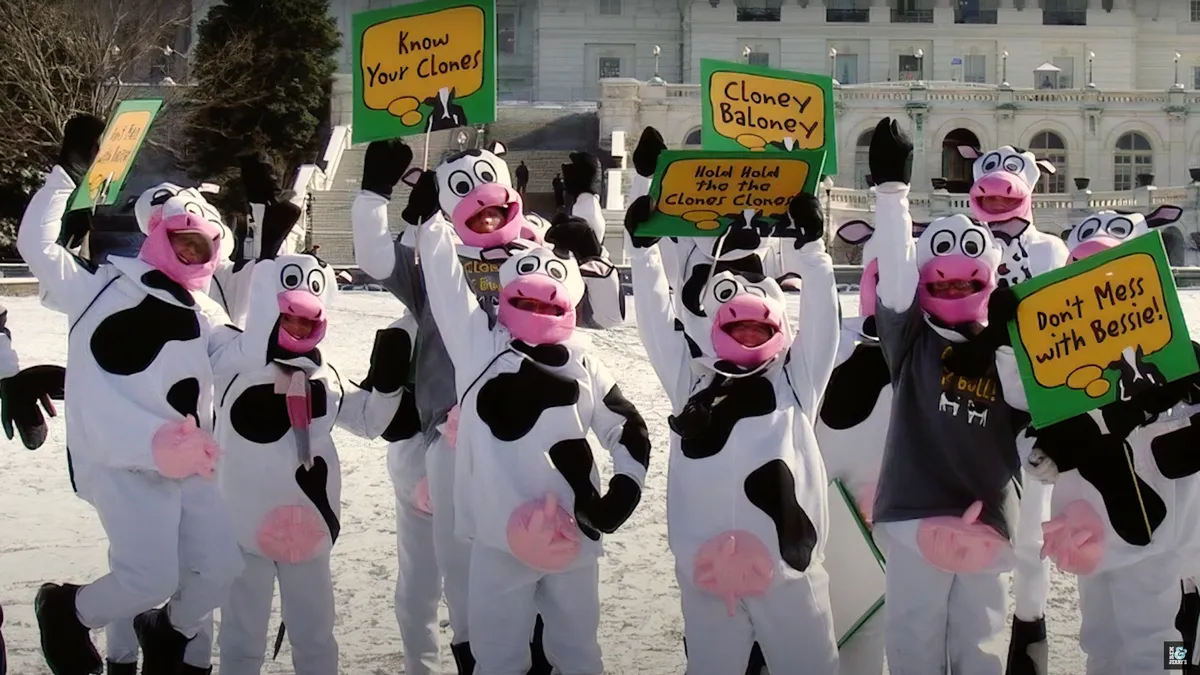
Although it’s true that some corporations jump on political bandwagons to stay popular, others embed their commitments to activism into their corporate framework, like Ben and Jerry’s. Ben and Jerry’s seeks to be a “social justice company”, intentionally linking their financial pursuits with progressive activism and service since their founding in 1978. Over the years, Ben and Jerry’s has taken strong stances on hot button political issues, including furthering racial justice, refugee rights, and campaign finance reform. One of the corporation’s most recent missions was to reduce its carbon footprint. To do so, Ben and Jerry’s converted 100% of their production facilities to be powered by renewable energy in 2025, and expected to reduce its carbon footprint by 40%. Ben and Jerry’s social activism exemplifies a business model where corporations can make tangible differences while maintaining shareholder obligations, effectively balancing profits with politics.
Effective Corporate Activism
Despite Ben and Jerry’s corporate activism amounting to tangible change, not all corporate activism does. Sometimes, corporations fail to meet their objectives, like with the 2025 boycott against Target mentioned earlier, damaging both shareholder and customer relations.
Edelman’s 2025 Brand Trust Report found that 64% of consumers consider a corporation’s effectiveness of activism when deciding whether or not they should purchase from them. This means it’s imperative for corporations to set tangible activism goals, and to not back out of them if they become politically divisive.
So how should corporations balance activism with profit-seeking goals? A 2025 article from the Harvard Business Review provides the five best types of social messaging for a corporation to appeal to: employee access, basic needs for the impoverished, crisis response, disabled and veteran communities, and marginalized socioeconomic status. These categories of activism are typically uncontroversial and garner bipartisan support, and demonstrate corporate engagement with underserved populations. The Harvard Business Review also suggests pursuing corporate activism which fits a company’s focus, like Chobani “fighting food insecurity” or Trader Joe’s donating unsold food to local K-12 school districts.
When corporations make activism personal, they can create real, lasting change for the people who need it most. Doing good doesn’t have to come at the expense of doing well, exemplifying how profits and politics can work hand-in-hand.