By: Krish Chinta
Esterified propoxylated glycerol, commonly abbreviated as EPG, is a plant-based fat substitute currently classified by the FDA as GRAS, or “generally recognized as safe.” EPG is novel and useful for food manufacturers because it resembles traditional triglycerides in structure and appearance, yet contains 92% fewer calories, making it an incredible technology for use in low-calorie foods. Products utilizing EPG were uniquely palatable in ways that previous low-calorie alternatives simply could not achieve without significantly increasing the calories. Essentially, vegetable oil is modified so that lipase, the enzyme responsible for breaking down fat in the body, cannot access the bonds it traditionally breaks down. Thus, the fat substitute is resistant to digestion and is passed through the digestive tract intact and unabsorbed, with the body unable to utilize the caloric energy stored within it. In initial trials, EPG was measured to have lower gastrointestinal effects than previous low-calorie fat substitutes, the most infamous being Olestra. As with fiber, high levels of undigested EPG in the gut can lead to gastrointestinal discomfort and symptoms. However, long-term human data regarding its safety for those regularly consuming it does not exist. There are also concerns about whether EPG reduces the absorption of fat-soluble vitamins by carrying them out of the body, but no conclusive data suggests significant interference.
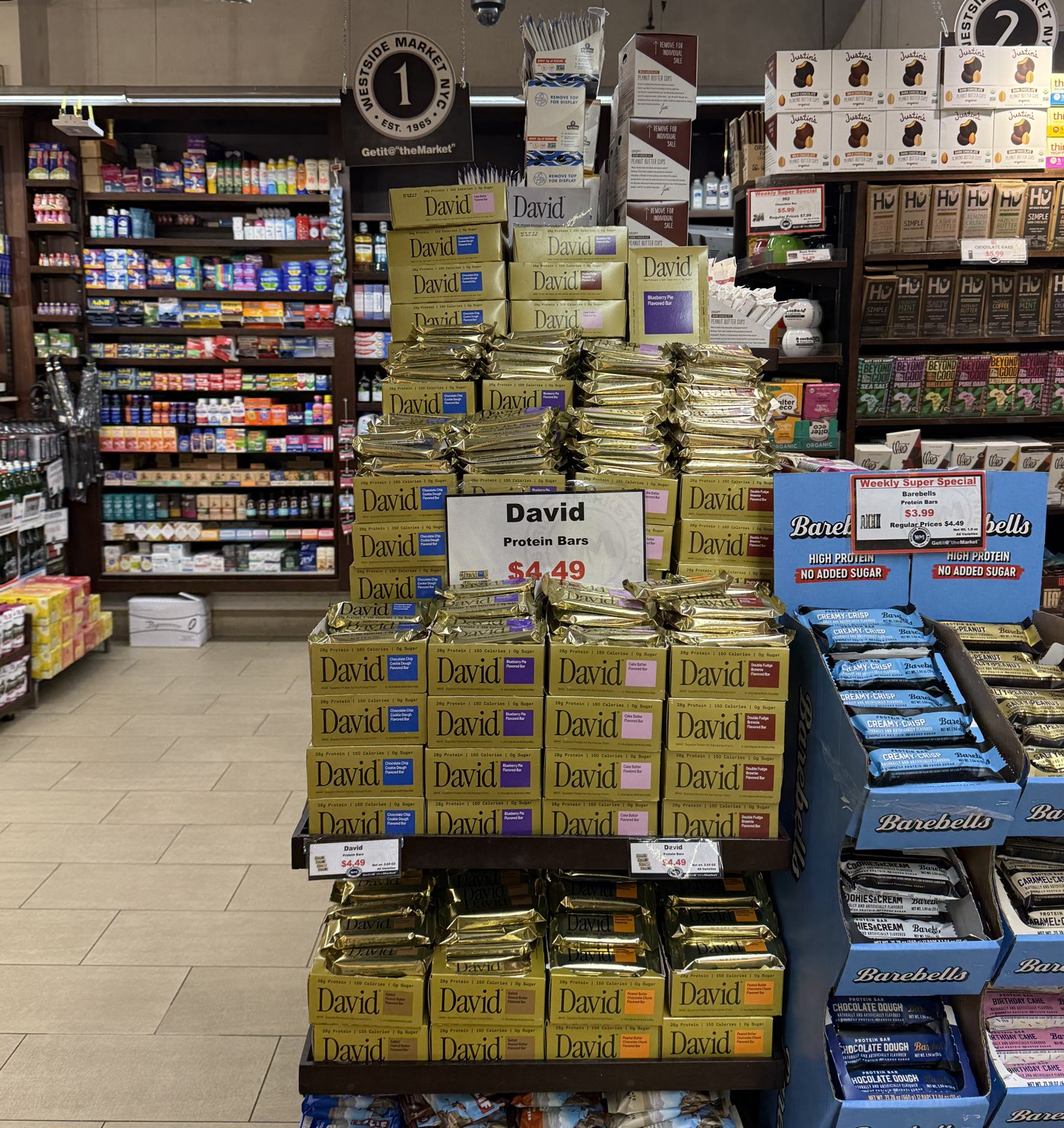
Beyond the food science, EPG has recently become the center of a major antitrust lawsuit. Epogee, the sole manufacturer of EPG, was acquired by prolific protein bar company David. David Protein, founded by RXBar co-founder Peter Rahal in September of 2024, with notable investments from prominent influencers Layne Norton, Andrew Huberman, and former Epstein confidant Peter Attia, rose above the protein craze with a 150-calorie, 28 grams of protein bar, having almost the protein ratio of grilled chicken breast. The bar leveraged EPG to create a highly marketable and palatable protein bar, allowing the company to generate a $725 million evaluation in under a year.
On May 29, 2025, David Protein acquired Epogee and notified its clients, Own Your Hunger, Lighten Up Foods, and Defiant Foods that it would no longer accept new orders for EPG, a devastating, potentially business-ending blow for these companies. In June of 2025, they sued David under antitrust statutes, claiming the company was creating an artificial monopoly, while David argued the plaintiffs were irresponsible for not securing long-term supply contracts. In order to stop the defendants from limiting EPG Access immediately, the former clients had to identify a relevant market being restrained where all products are reasonably interchangeable by customers, meaning one product in the market would be replaced by another. In their initial motion, they defined this relevant market as the U.S. market for EPG supply, but they later changed it to low-calorie indulgence foods. Neither of these proved to be interchangeable for the judge, as the plaintiffs did not demonstrate the lack of substitutes for EPG nor why the plaintiffs’ nut butter spreads or chocolates would be substitutable for David Bars. The overly technical nature of identifying a relevant market makes private civil antitrust litigation incredibly challenging in this case. Their claims were dismissed with the presiding judge Victor Marrero offering the plaintiffs the chance to file an amended complaint to resolve the deficiencies in their argument.
In a second amended complaint filed on July 17, the former Epogee consumers made the claim that there were no functional ingredient substitutes for EPG. This was denied in early February 2026 as the judge claimed the complaint was self-contradictory in noting that competitors were making “comparable protein bars without EPG” and failed to explain the interchangeability gap between nut butter spreads and protein bars, thus not demonstrating the competitive harm that would constitute a monopoly. The burden of proof was raised even higher as the stringent requirements prevailed over common sense. In a third amended and latest complaint, the relevant market for antitrust law was identified as high “Calories from Protein” (CFP) bars, in which 50-75% of the calories of the bar are from protein. They argue that it is scientifically impossible to manufacture a high-quality, palatable protein bar exceeding a 47% protein-to-calorie ratio without EPG. This overly exacting measure highlights how the law can fail to be pragmatically effective when its application is highly gated. The plaintiffs argue that David’s ability to charge price premiums of 44-171% while holding less than 1% of the market displays their non-competitive practices. This complaint is currently being reviewed and is likely the last chance for the plaintiffs’ case to go through.
The David antitrust case highlights the harms of capitalistic consolidation and how it jeopardizes the public interest. The message here is that novel inventions are only for those with the capital to capture and absorb it. David Protein is not unique here; it is acting rationally within the capitalistic framework to dominate the market at the cost of the market. The plaintiffs in this case face a Catch-22 where they must explain how their diverse products are interchangeable while maintaining the uniqueness of EPG. The minutiae of market definitions and semantic hair-splitting have allowed David Protein to engage in vertical foreclosure, effectively suppressing competitors with laws meant to protect market competition. When the law is disconnected from reality, the ultimate loser is the consumer, whose access to food science innovations is held hostage by a bad-faith gatekeeper.