By: Shannon DeLeon
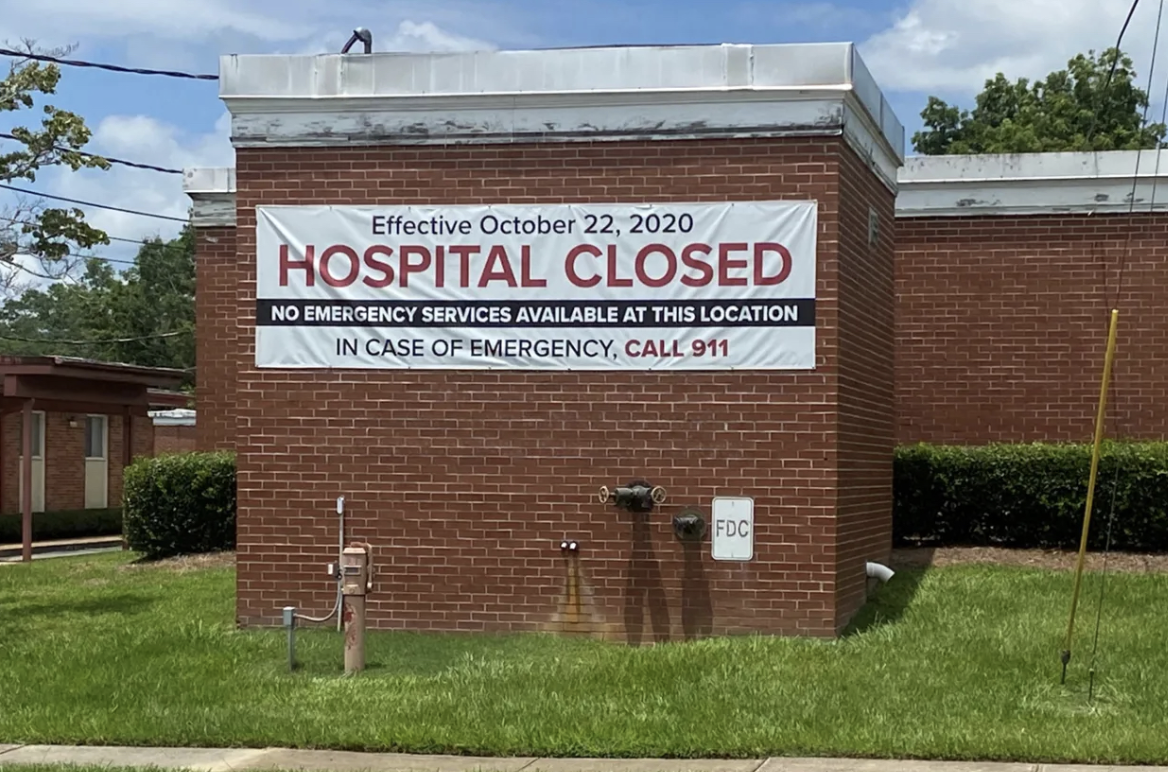
The Health Resources and Services Administration classifies counties as Health Professional Shortage Areas (HPSAs) when there is a significant, recognized shortage of healthcare providers. Nearly 3 million Georgians live in the 142 of the 159 Georgia counties classified as HSPAs. Doctors are dying and leaving primarily rural Georgia hospitals, medical centers, and communities, at large, at increasingly high rates.
If you drive 30 minutes north, south, or east of The University of Georgia, you will enter a HSPA, with two of the four surrounding counties ranking in the bottom 10 counties in terms of overall health rankings in the state. The Georgia physician-to-patient ratio is 23% worse than the national average and we rank 40th out of all states in terms of the ratio of active patient care, which is the ratio of physicians involved in direct patient care to the population, as a whole. Rural areas face unique struggles when it comes to healthcare. From exasperated financial struggles to geographic spread and isolation, there are simply different problems with different solutions facing medical service providers in these communities. Compared to physicians in urban centers, more than 50% of rural doctors are over the age of 50.
These healthcare provider shortages hit the “Black Belt,” majority Black rural counties, of Georgia particularly hard. Nearly all of the counties making up the “Black Belt” are underserved in at least one medical area. These shortages, affecting all kinds of healthcare, have worsened the maternal mortality crisis here in Georgia, particularly among Black women. Right here in Middle Georgia, a labor and delivery center in rural Franklin County closed, making the closest fully-staffed and comprehensive labor and delivery center now a nearly hour-long drive to the two hospitals in Athens, Georgia. This distance can be crucial for high-risk pregnancies.
One proposed solution to the rural physician shortage is the increased presence and certification of migrant and refugee physicians in these communities in need of medical care. Though this seems like a straightforward, potentially life-saving solution, there are barriers set up in Georgia that prevent internationally-trained doctors from serving as physicians in Georgia communities. Tennessee and Alabama have programs set up which enable these doctors to train for a low-cost at local medical facilities until they are prepared to serve their communities as licensed physicians. Georgia has no such program, and it sometimes takes more than a decade of training—that these physicians have already completed—to become certified to practice. During the 2024 legislative session, Senate Bill 259 was proposed, which would have provided a specific kind of license to internationally-trained doctors seeking to practice here in Georgia. The proposal died before a vote could take place, and all other similar attempts have failed as well.
Augusta University’s Rural Hospital Task Force has also made a variety of policy and hospital-level recommendations for rural-area hospitals and medical centers. Many of these recommendations focus on the lack of financial resources that these centers often face, to an even greater level than those of medical centers and hospitals in urban centers. This taskforce, made up of specialists in rural health, recommends “… ongoing comprehensive efforts to reduce costs and maximize reimbursements.” They also advise rural hospitals to take greater advantage of shared service potentials, such as IT or purchasing, integrating with a larger medical system or with other medical providers in the area, rather than taking on the burden of all service costs themselves. Making greater use of Physician’s Assistants and Advanced Practice Registered Nurses is also brought up in their recommendations, taking some pressure off an aging physician workforce.
While there are policy shortcomings on the state level, there are organizations stepping up to work against this shortage and on uplifting the health of rural communities. The Georgia Rural Health Innovation Center at the Mercer School of Medicine “partners with rural counties to improve health outcomes in their communities.” They created and continue to employ a certificate program for rural hospital leadership, boards, and management, specifically, focused on “the stabilization of Georgia’s rural hospitals.” The Center also led the way on the Georgia Telehealth Partnership during the COVID-19 pandemic, collaborating with rural clinics to offer telehealth services. The program continues to this day, serving over 130 clinics across the state. Mercer also hosts a quarterly Rural Physician and Provider Recruitment Fair, which connects Georgian physicians seeking work to rural hospitals and medical centers looking for physicians and other providers.
While an aging rural physician workforce and a desperate shortage of resources may look insurmountable, these challenges can be overcome. Through policy changes on the state level, such as the implementation of bills like SB 259, and hospital-level structural changes, these shortages can become less detrimental and less frequent. Rural populations can be healthier and live longer, and resources can remain in rural communities to help revitalize, support, and uplift their communities.