By: Julia Gardner
The United States often prioritizes economic considerations over public health when regulating hazardous chemicals, leaving worker and community health vulnerable. Leaded gasoline remained on the market for decades after its neurological risks were clear; asbestos was only fully banned in 2024 despite its established link to cancer; PFAS “forever chemicals” continue to contaminate drinking water nationwide while regulators debate thresholds. One of the current cases of unbanned health hazards is paraquat: one of the most widely-used herbicides in the U.S.
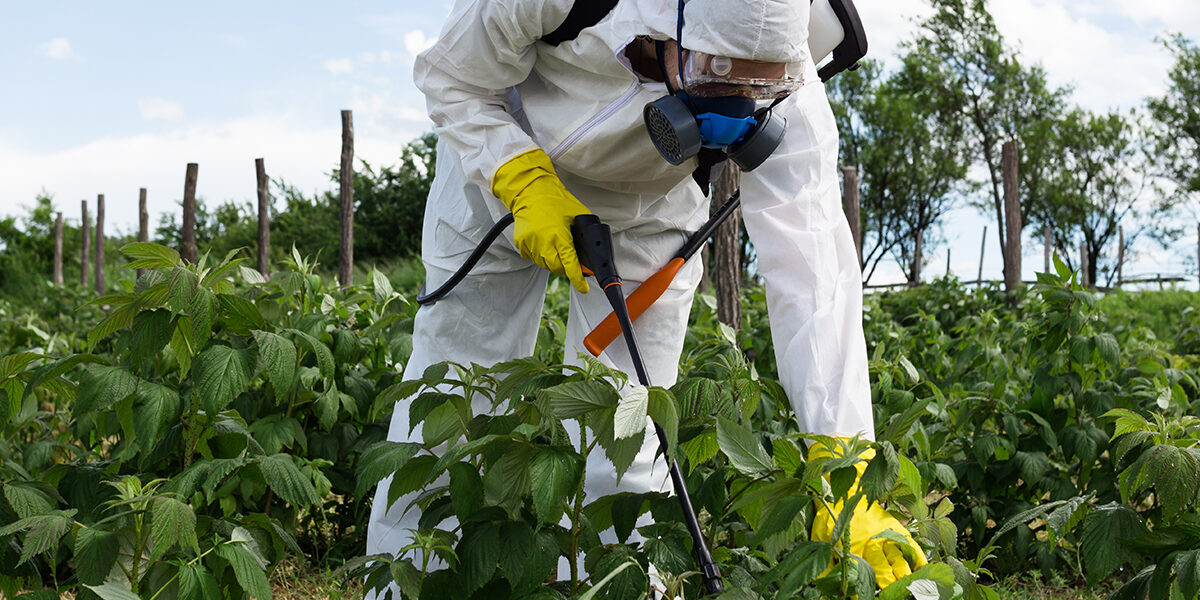
Industrial farms across the nation spray paraquat on crops such as corn, wheat, almonds, cotton, and strawberries to efficiently stop unwanted vegetation growth. But paraquat’s effectiveness comes at an alarming cost: just one sip is fatal. A growing body of epidemiological research has reported associations between chronic low-grade exposure and outcomes like Parkinson’s disease, lung and kidney damage, heart problems, and increased cancer risks. Although observational studies have found an elevated risk of Parkinson’s disease associated with paraquat exposure, other reviews have concluded that the available evidence only establishes correlation, not causation. This fact is a core reason agencies such as the EPA state that further evaluation is necessary before taking any further regulatory action. Other countries have responded to this risk by banning paraquat outright. In fact, over 70 nations have banned or severely restricted paraquat in recent years. Ironically, those bans include countries such as Switzerland and China, the leading producers and distributors of paraquat.
In the U.S., paraquat has attracted regulatory and political attention at state and federal levels. California has passed legislation to expedite re-evaluation of paraquat registration following the initial proposal calling for the complete ban of the chemical. At the federal level, the EPA has received countless petitions to ban the chemical, and there are thousands of active lawsuits against paraquat manufacturers. However, the EPA’s epidemiology review concluded no “…clear link between paraquat exposure from label uses and adverse health outcomes such as Parkinson’s disease and cancer.” The agency only banned its use on golf courses, leaving widespread industrial agricultural application untouched.
So why has the EPA not moved to ban paraquat? Part of the answer lies in how it interprets scientific evidence. A growing number of studies show a strong correlation between paraquat exposure and Parkinson’s Disease. However, because the precise biological mechanisms—how paraquat triggers disease at the molecular level—are not fully mapped out, the EPA argues that the evidence does not conclusively prove causation. Additionally, agricultural stakeholders and some economic studies argue that paraquat fills specific agronomic needs (e.g. fast, reliable burndown and desiccation; control of glyphosate-resistant weeds) and that removing it without ready substitutes could increase production costs. In this situation, the risks borne by farmworkers and rural communities are treated as collateral damage.
The argument that paraquat is indispensable is increasingly challenged by policy and research. Alternatives such as using diquat and glufosinate, along with increased tillage and crop rotation strategies, are feasible replacements. Studies suggest these substitutions need not reduce productivity if the transition is managed correctly and support is provided to producers. While economic modeling finds costs would exist for some, impacts would vary widely by crop, region, and farm size. With such overwhelming correlation between paraquat exposure and disease, continuing to allow its use is a harmful decision to protect corporate interests over public health. Until that balance shifts, the paraquat paradox will stand as a reminder of the uneasy trade-offs people make between science, health, and industry.