By: Mi’Chea Wade
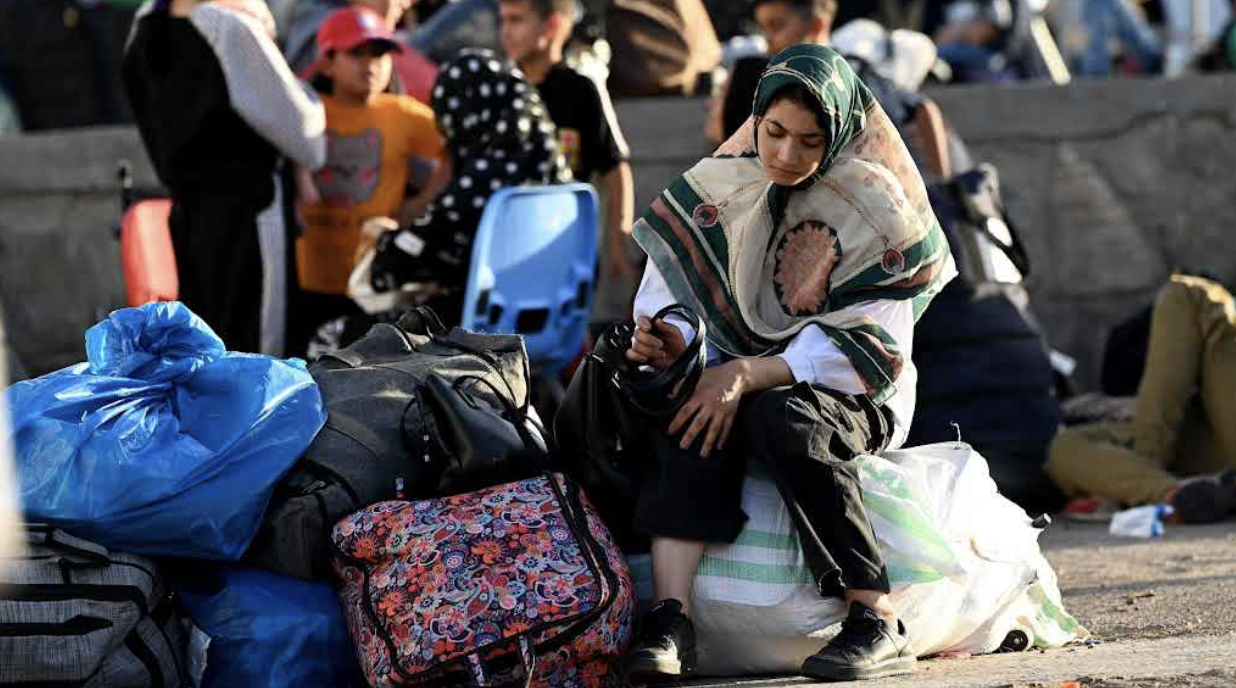
“There are oppressors here, and there are oppressors there. We migrants have never been free, never lived a free life.”
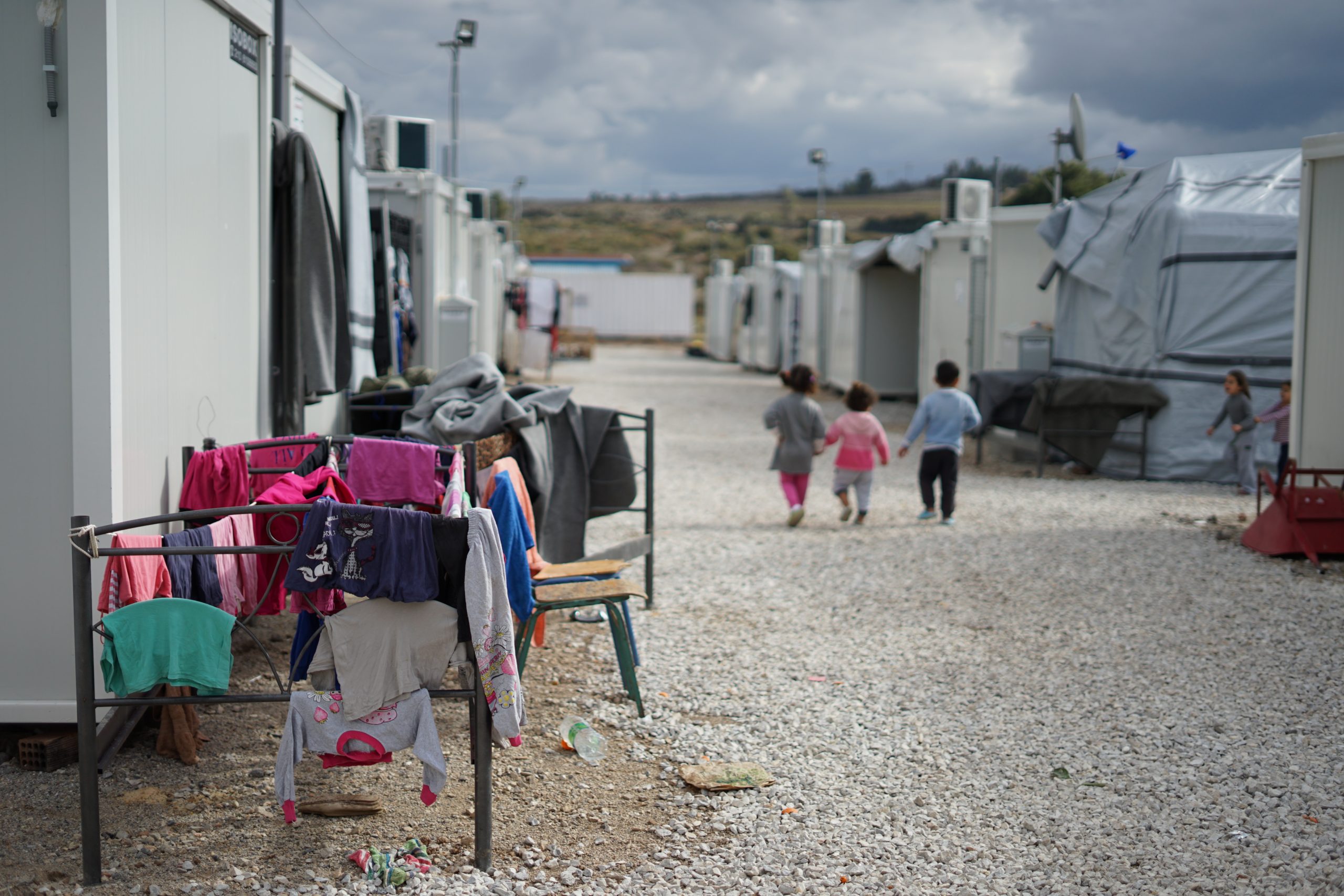
With the United Nations High Commissioner for Refugees reporting that there are over 122 million refugees worldwide, media coverage of refugee crises and deportations is not rare in today’s news cycle. In response, state governments have developed rapid policy measures to address the equally rapid influx of displaced people seeking to live lives free of oppression in their countries. Despite international laws regulating state treatment towards refugees, weak enforcement mechanisms and conflicting domestic interests often leave refugees in uncertain and precarious environments.
To understand the current climate surrounding how states treat refugees, we must first define a refugee. International organizations define them as “… people forced to flee their own country and seek safety in another country. They are unable to return to their own country because of feared persecution as a result of who they are, what they believe in or say, or because of armed conflict, violence or serious public disorder.”
This definition comes from the United Nations High Commissioner for Refugees (UNHCR). The UNHCR’s mission is to provide assistance, rights protection, and support to those forced to flee their home countries, while working with states to advance refugee legal protections and uphold human rights standards. One product of states under the UNHCR is the 1951 Refugee Convention, which is designed to define who qualifies as a refugee, outline basic treatment standards, and establish Non-Refoulement Principles. This Principle of Non-Refoulement, “…asserts that a refugee should not be returned to a country where they face serious threats to their life or freedom.”
As of 2025, there are 149 countries that have signed the agreement, including the United Kingdom, Australia, China, Afghanistan, Iran, Italy, and France. This makes them not only bound to the Convention’s refugee protections of providing access to basic rights and fair asylum procedures, but also to the obligation not to commit refoulement.
Unfortunately, global conditions have caused a massive increase in refugee populations, with a prominent example being the approximately 5.8 million Afghan refugees worldwide that have fled Afghanistan due to violence and instability that have intensified under the Taliban’s rule. Civilians endure poverty, while women, ethnic minorities, and LGBTQ+ individuals fear torture, killings, and other forms of violence. These conditions have resulted in economic and humanitarian crises, forcing citizens to flee to neighboring countries, including Iran. However, merely seeking asylum in a new state is not enough to guarantee their safety.
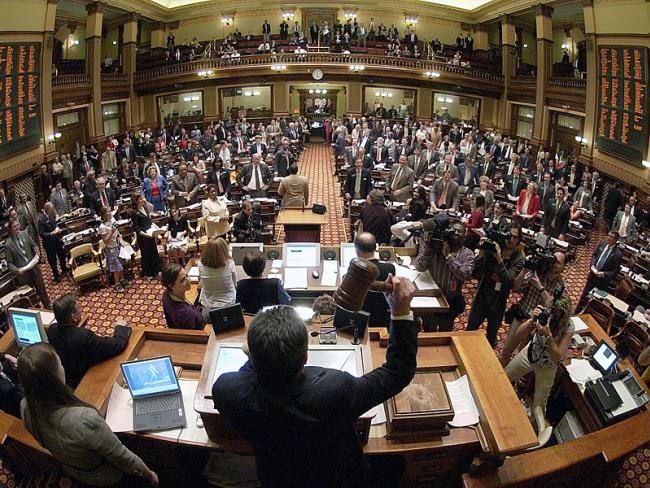
In light of rising interstate conflicts and protracted refugee situations, many states are neglecting or intentionally violating International Refugee laws. This is due to a global rise in domestic pressures, including an increase in populist movements, which use “us versus them” rhetoric to explain domestic problems including low economic development and uncertainty in the job market . It is these economic concerns that drive citizens to view migrants as economic competitors for jobs or charity cases draining tax funded resources. This “citizen versus migrant” mindset, along with other domestic factors, puts pressure on state governments to appease their citizens, prioritizing domestic politics over international commitments.
For example, using accusations of the people serving as Israeli spies and a lack of infrastructure to continue supporting them, Iran has begun deporting its Afghan Refugee population back to Afghanistan. Of the 6 million Afghan refugees living in the state, over 1.3 million have been returned, with the government targeting housing, public spaces, places of employment, and banking through policy initiatives and raids to make conditions unfavorable as an incentive to get refugees to return. As the government’s actions directly result in the return of refugees to an unsafe territory, Iran is in direct violation of refoulement principles. These deportations of refugees are not exclusive to Afghanistan. States including Pakistan, the Dominican Republic, and Austria are all citing security and economic concerns to commit refoulement.
Because states provide justification for violating the principle of non-refoulement, it is rather difficult to chastise or punish them using international law. Additionally, holding states accountable is challenging because international law lacks effective enforcement mechanisms. In order to help refugees and prevent their return to unsafe environments, international organizations must adapt to encourage states to find other avenues for dealing with their concerns.
Current state practices towards refugees vary with the EU’s Asylum, Migration, and Integration Fund using its 10.94 billion Euro budget to improve Europe’s asylum system, support legal migration, reduce irregular migration (or migration outside of regular channels), and improve solidarity and burden sharing among member countries. Frameworks like these are an excellent method of improving states’ response to an ever-increasing number of migrants. However, since there are still many states that are against taking on or housing refugees, a long-term solution is needed.
One suggestion would be to develop strong incentives, such as trade benefits to countries hosting refugees. States that accept such incentives and agree to host refugees can work with the UNHCR to generate legal protections for them and be a voice for those displaced. States who take the incentive and agree to house refugees would be required to walk a fine line of protecting domestic interests and human rights. To account for this, countries can establish, based on infrastructure, the number of refugees they can have, and states that send their refugee populations there will help the country meet its financial needs to further expand their infrastructure. By providing benefits to host states and sharing the responsibility of solving this global issue equitably among countries, refugees can finally have a strong support system and live lives free from oppression.