By: Eshkar Kaidar-Heafetz
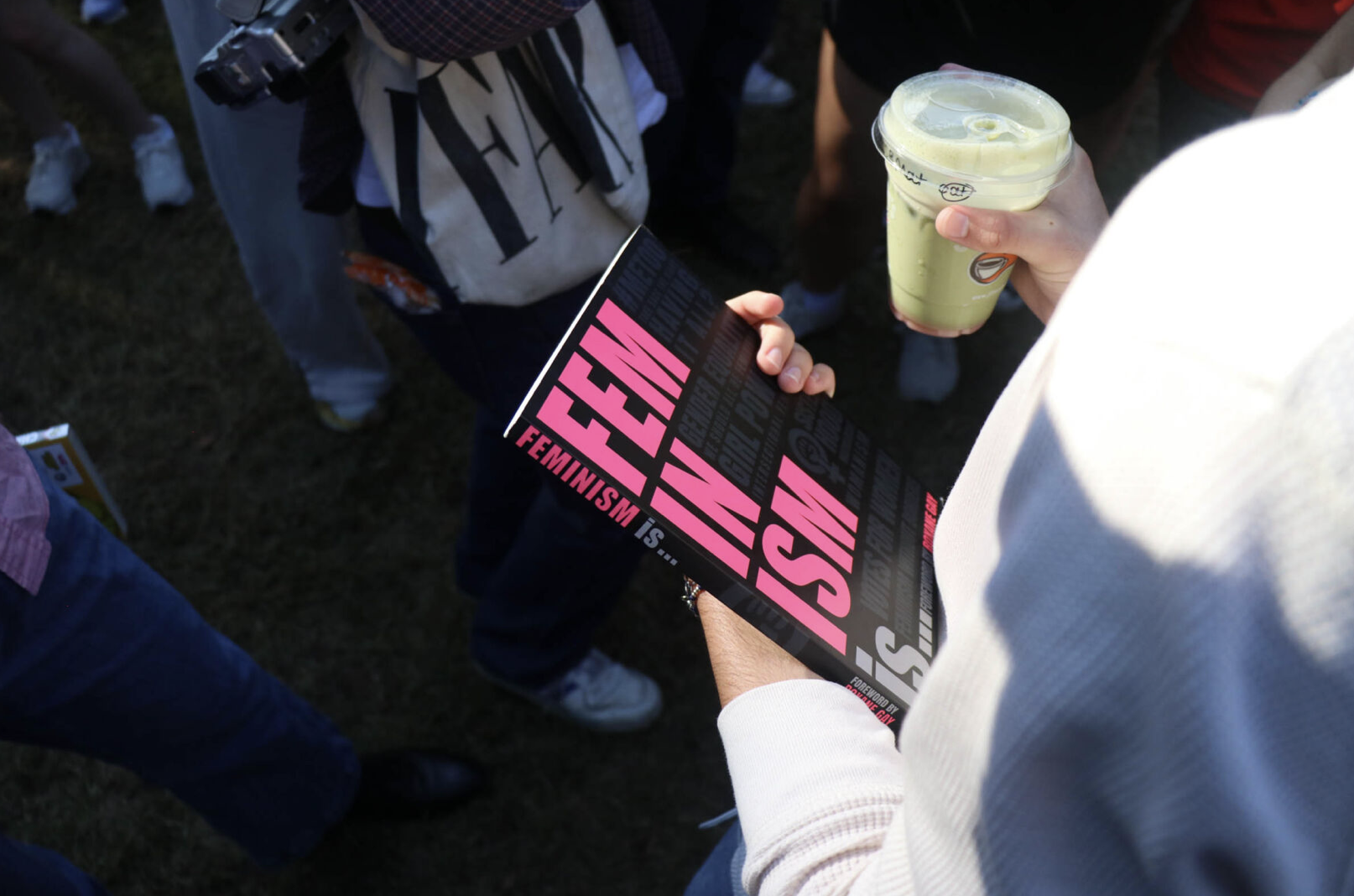
Baggy jeans, keys clipped to carabiners, vinyl records, and an indescribable love for iced matcha have swept college campuses across the country in an online trend dubbed the “performative male.” This trend is a satiric caricature of men engaging in virtue signaling, thus the “performance,” regarding their disingenuous appreciation for stereotypically feminine hobbies and pleasures in hopes of attracting a partner or gaining social capital. In making fun of a patriarchal social function, the trend itself has spread throughout the cultural imaginary, leading to a full-scale national phenomenon. However, the quickly-evolving stereotype has found itself replicating the same gender norms it originally criticized.
College campuses are at the heart of this performative male critique. University organizations have even hosted “performative male competitions,” where swaths of students dress up and embody the stereotype, competing for whose ridicule of male virtue signaling is the most exorbitant. For example, the University of Georgia’s Young Democratic Socialists of America hosted their competition this September, drawing in hundreds of students. Conversely, these gatherings have unintentionally emphasized the ways in which what is performative evolves in relation to growing social trends. The supposed interests, fashion, and relevant jokes embody the development of cultural signifiers regarding what defines masculinity and femininity. Them writer James Factora describes how gendered virtue signaling changes with the times, where “girl dinner” and the “Sassy Male Apocalypse” “…felt akin to the “hipster racism” phenomenon of the Obama era, when progressives would make ironic racist jokes to signal how ‘post-racial’ they were.” The trend evolves to represent the most recent cultural phenomena not only to depict the new social mainstream but also to mock men’s embodiment of those trends. These jokes serve to similarly highlight one’s “post-gender” mindset, though only come to be by ridiculing those engaging in “post-gender” structures and actions.
By mimicking the “performative male,” the stereotype and its manifestation have begun to re-entrench many of the flaws in modern gender logic it works to critique. To determine what the “performative male” pretends to like, one must delineate “masculine” and “feminine” hobbies in the first place. Vinyl records, Lana Del Rey or Mitski, matcha, tote bags, and baggy jeans—none of these are inherently gendered. However, in declaring a particular interest or style inherently feminine and thus “performative” when a masculine subject engages in it, gender is imposed through the power of categorization. While originally well meaning, the classification of men engaging in female hobbies as “performantive” abstracted the trend’s original intent beyond a criticism of the patriarchy. Instead, “performative” people have now come to mean those who subvert gender norms via their styles and actions, regardless of whether that subversion comes from a place of intentional manipulation or genuine self-representation.
A sufficient explanation of this phenomenon cannot go without analyzing the ways in which that aforementioned ridicule ties into alternative identities, specifically, queer and transgender social culture. The actions that performative males take directly draw upon traditions of queer people that have been diffused into mainstream culture through social media. The carabiner, for example, originated from the stylistic choices of blue-collar butch lesbians and was used as a secret indicator of sexual preference. In the appropriation of the carabiner as aesthetically “performative,” a once-queer piece of history becomes abstracted from its cultural roots despite having no relationship to the “feminine” culture the performative male engages in. This does not have to be the case. The development of this blue collar look into a symbol of queer iconography highlights the ways that fashion choices can highlight a subculture, rather than ridicule it. However, the evolution of the “performative male” trend has oriented itself away from this celebration of history, instead becoming a tool by which to undermine subversive gender expression. Likewise, heterosexual males’ cropped clothing or painted nails is no longer thought to be genuine self-expression, rather an inauthentic participation in the latest fad acknowledging the queer history of such pieces. Similar to how “hipster racism,” for the sake of indicating one’s post-raicial consciousness, legitimized the casual usage of racism, the modern manifestation of making fun of a “performative male aesthetic” seems inextricable from the casual depreciation of alternative gender self-expression through social media trends. The mocking of supposedly feminine actions undertaken by men not only grounds a distinction between what gender performance is masculine or feminine, but also plays back into the very gender norms it claims to criticize by homogenizing subversive expression as inauthentic or “fake.”As social trends evolve and draw upon a wider range of identities, the ways that norms return to the social mainstream cannot be ignored. Criticizing the devaluation of queer subculture for the sake of social capital or romantic advantage can be a well-intentioned action that calls out the patriarchy in everyday life. However, there must be a close attentiveness into the ways in which genuine criticisms into “trends” can accidentally contradict that well meaning and harm the communities they seek to support.