By: Krish Chinta
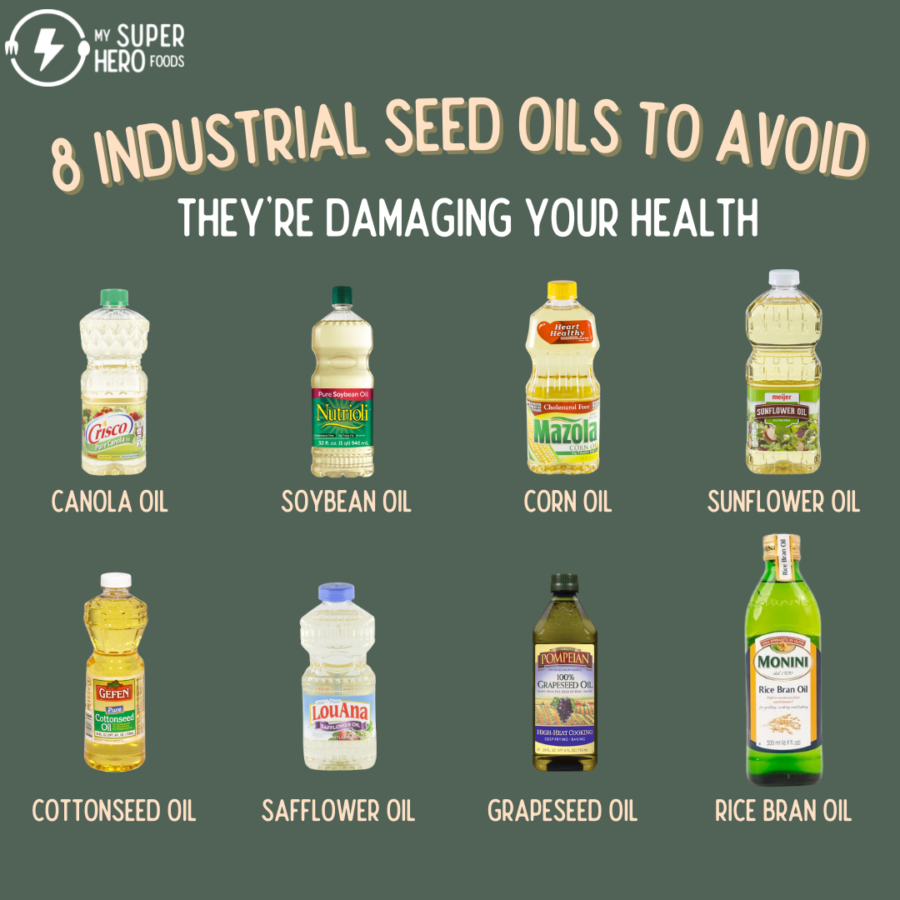
The word “fear” once evoked iconic slasher villains like Freddy Krueger or Michael Myers. Our old fears have been replaced with incessant health anxieties: endocrine disruption, microplastics, inflammation, and, perhaps the most emblematic of these invisible modern malignities, seed oils. The so-called “hateful eight” of processed vegetable oils were once purported to be health-promoting when replacing saturated fats. They have now come under attack for being inflammatory, linked to disease, and as a general symbol of modern capital greed harming consumers. The seed oil question is not a rational debate over nutritional science; it is a secular theology born from institutional exhaustion. By exploiting deep-seated biases toward nature, algorithmic engagement incentives, and the scapegoating convenience of an unloved ingredient, the populist right has transformed a mundane cooking fat into a potent coalition-building instrument against establishment authority.
Attacks on the growing industrialization of food are not new. Left-wing counterculture movements of the 1960s and 1970s rebelled against corporate agriculture, monocropping, and synthetic additives in the food supply. These concerns over technological progress are not unique to food, nor are they necessarily unfounded in reason. Existential uncertainty over periods of unprecedented change has always been central to the human experience, and this fear of the unknown is echoed in history, from the Amish to early 20th century Progressives to modern anti-AI humanists.
While it might seem unusual at first that the same ideas underlying the hippie movement are resurfacing through right-wing Christian nationalism, both are built upon a shared spiritual theology equating nature with the divine. The appeal to nature, a rhetorical technique presupposed on the idea that what is natural is good, can be extremely compelling, despite its obvious circular reasoning, because it speaks to Edenic ideals. This deeper normative belief about nature is reflected in the American conception of rights, meat consumption, and gender roles. This naturalistic bias is even more effective when paired with institutional skepticism, especially when that mistrust has historical precedent.
Institutional trust is unquestionably on the decline. This may be tied to a variety of reasons from poor management, politicization of institutions paired with polarization, the spread of misinformation, and systemic inequalities. The availability heuristic, the mental shortcut in which people tend to over-rely on immediately recalled examples, is highly relevant here. Instead of thinking about the historical validity of institutional advice, we recall the instances when they were wrong as those are more publicized and readily present in our mind. This can help explain why leading medical institutions like the American Heart Association are not trusted by opponents of seed oils. By pointing to the historic reality of medical institutions promoting toxins, such as alcohol, tobacco, and opioids, they speak to a cultural memory of betrayal underlying skepticism.
The reason why seed oils are the primary topic of debate is not mere coincidence; it stems from risk perception prioritizing involuntary contamination over chosen vices. As Mary Douglas outlined in her highly influential anthropology book Purity and Danger, societies construct pollution taboos in order to establish clear moral boundaries between the tribe and corrupted outsiders. Combined with chemophobia, the almost visceral disgust response when faced with unfamiliar chemical terminology, synthetic pollutants are an easy target. The reason why hearing foreign words like “lineoleic acid” or “hexane extraction” is deeply disconcerting is the same reason why seed oils have become highly debated: mere exposure.
Social media algorithms, driven by engagement rather than accuracy, allow for decentralized communities to spread ideas contrary to mainstream consensus in ways that were simply not possible under past media technology. By exposing users to conspiratorial ideas around skepticism and seed oils in 30-second clips, short form content greases the wheels of familiarity to slowly embed affective reactions towards these ideas. This ties into Daniel Kahneman’s idea of System 1 and System 2 thinking. System 1 is our emotional, intuition-based way of thinking, an unconscious and automatic way of making quick decisions when we need to. When hearing medical authorities making statements contradicting a slowly curated belief, System 1 detects a threat and can lead to uncritical thinking, with people often resorting to fallacious, bad-faith argumentation stemming from a fear response. Outrageous and novel false information also spreads faster and is stickier; humans are more likely to share and remember stores that inspire strong emotion.
Beyond the psychological mechanisms, seed oils are also a convenient, coalition-building scapegoat as they are culturally unloved. It is much easier to swallow the idea that butter and beef tallow are healthy when that notion comes alongside sensory pleasure. Seed oils lack the addictive appeal of recreational drugs; there are fewer incentives to champion grapeseed oil. Most of all, seed oils are cheap, highly subsidized, and ubiquitous in ultra-processed foods. Their proliferation in the food supply is highly correlated with the rise of obesity, presenting a true correlation but poor argument that is optimized for social media. They are also partly a convenient scapegoat because of how widespread they are. Given their massive share of global food supply and the scientific consensus on human health outcomes, it would be exceedingly unlikely that they are banned. Any crusade against them has no real policy repercussions; it is all bark, no bite.
The anti-seed-oil movement succeeds because it bypasses the friction of partisan attachment through human psychology, tying into deep-rooted human fears to overcome ordinary skepticism around political messaging. Seed oils allow right-wing populist movements to wage a sweeping public war without asking voters to sacrifice anything of real value to them, giving modern politicians the perfect invisible monster to unite a disillusioned public.