By: Anu Fawehinmi
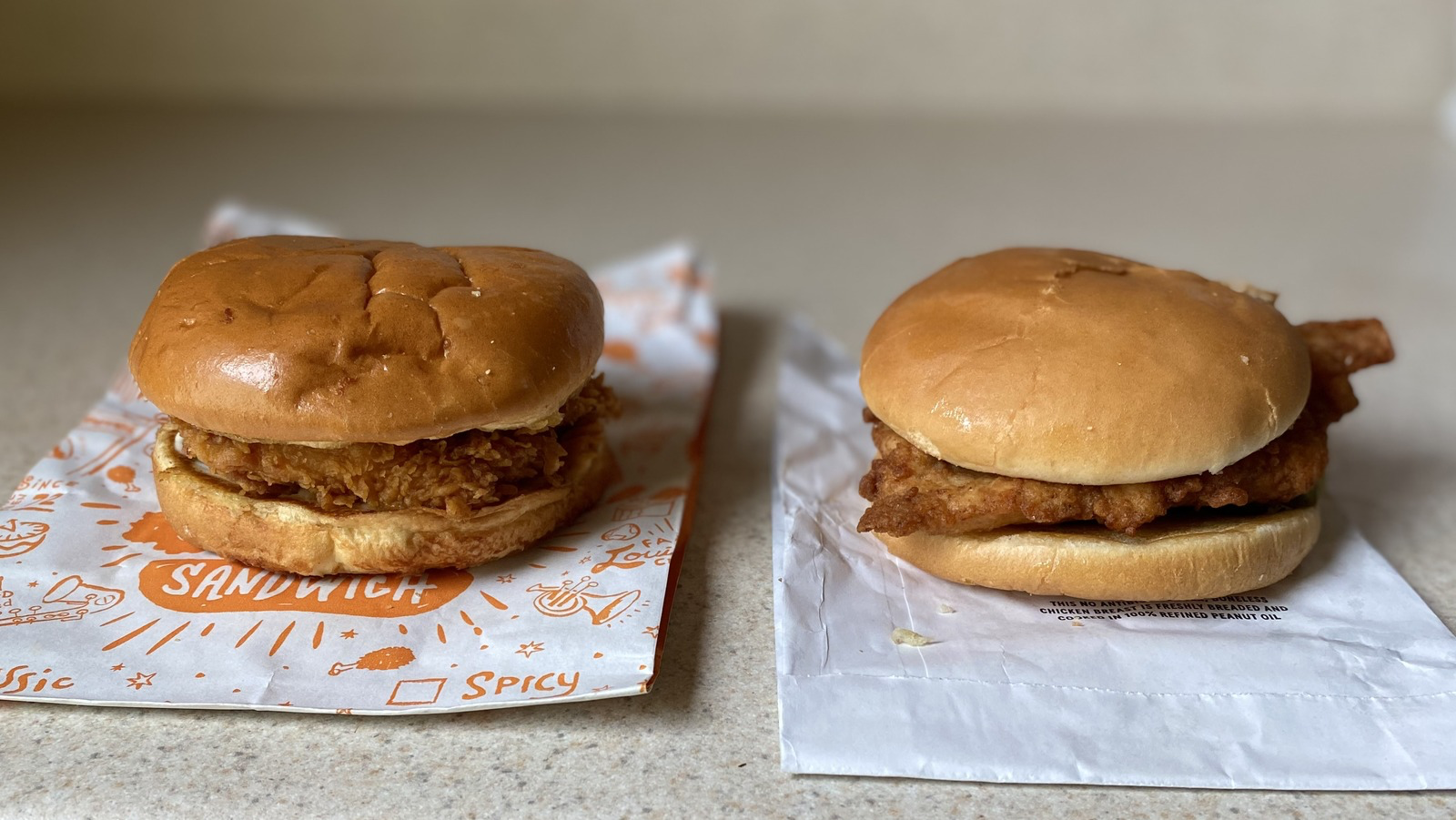
In 2019, with the intent of usurping Chick-fil-A from their fried chicken throne, Popeyes released their Crispy Chicken Sandwich. This bold declaration of war began the battle for market share turned marketing scheme affectionately known as the Chicken Sandwich Wars of the late 2010s. The battle even made its way to social media, with Chick-fil-A reacting to Popeyes’ recent menu addition and Popeyes responding in jest shortly afterward.
Popeyes’ introduction of the Crispy Chicken Sandwich and their marketing campaign that followed revitalized the restaurant chain far beyond the expectations of the company, reestablishing it as a true fast-food superpower. Following its inclusion, average store traffic doubled, with upwards of 1,000 chicken sandwiches being sold per day at most locations during the month it was offered. The demand for Chick-fil-A Chicken Sandwiches also skyrocketed as many Americans weighed in on the conflict, picking the sides of the chicken sandwich chains they preferred most.
Prior to the Chicken Sandwich Wars, Chick-fil-A had a stronghold on the fast-food fried chicken market. The average singular store made around 5 million in annual profit, easily eclipsing competitors in the fried chicken market. While there had been a slow, consistent increase in American chicken consumption, especially with the emergence of fried chicken-focused restaurants like KFC and Popeyes, chains with more traditional, less chicken-based menus (e.g. McDonald’s, Starbucks) remained the behemoths that maintained their control over the fast food market. Popeyes’ Crispy Chicken Sandwich began the major fast-food shift towards fried chicken, establishing itself in the process.That same year, the U.S. poultry market processed a record supply of chicken, with some estimates easily reaching over 43 billion pounds. However, Popeyes had completely run out of chicken for their sandwiches only a month after their release. This could mainly be attributed to a bulk of the chicken supply (which contained much more than just chicken breasts) not being usable in chicken sandwiches. Extreme interest forced them to temporarily discontinue the product and they completely risked losing the momentum they had built through their marketing campaign. American poultry farmers alike struggled with this growth in the chicken supply, risking the loss of their previously steady profit margins as the ever-growing chicken supply drove prices and revenue down and forced them to adjust their farming strategies to increase their production.
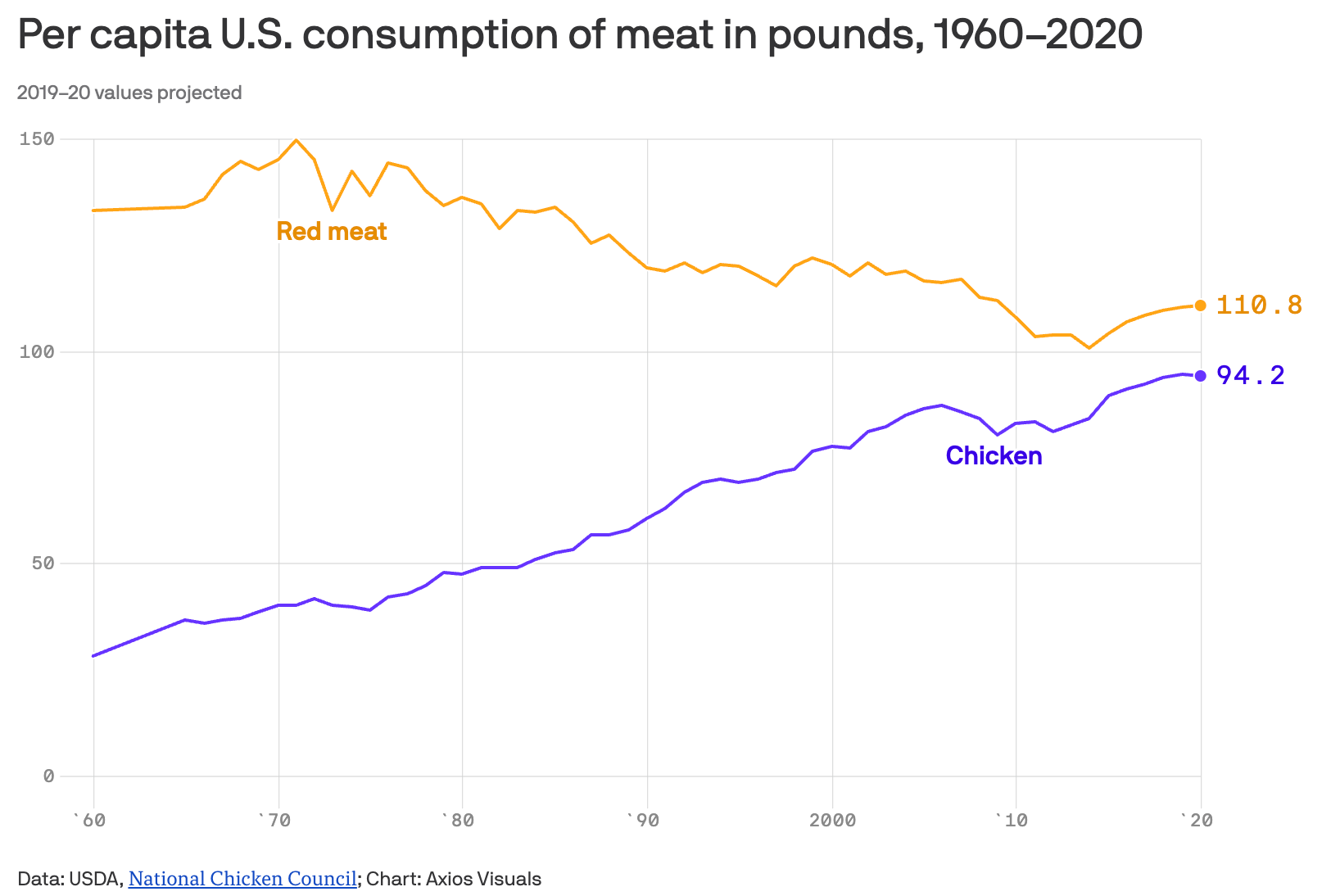
Still, the increases in marketing for chicken-based foods created a hyperinflated demand for chicken that directly affects the market. The average American now eats about 10 more pounds of chicken annually than they did a year ago, both inside and outside of fast-food restaurants. Additionally, the specific cuts of chicken served in most fast food restaurants were highly specific chicken breasts from “mini chickens,” which tend to be extremely specialized and considerably more difficult to procure. This imposes an even larger burden on poultry farmers.
With these heavy supply pressures, poultry farmers and chicken processing facilities shifted towards unorthodox methods to increase their chicken output: They started cutting corners, holding chickens in confined, less free-range conditions like battery cages, and decreased chicken processing standards. These brought up both ethical concerns for the conditions of chickens and environmental concerns due to the heavy pollution these methods incur—especially with the increased water use many factory farms incurred through utilizing cheaper feeds. While the supply of chicken breasts has increased to levels high enough to more aptly sustain demand (and bring the Popeyes Crispy Chicken Sandwich back, which happened about a year later), doing so at the expense of sustainability puts the poultry industry at risk.
Once Popeyes was able to bring the Crispy Chicken Sandwich back, the quantity of sandwich sales skyrocketed once more and Popeyes’ market share began to grow, attracting other fast-food chains to capitalize on this market. In 2020, Wendy’s, Church’s, Whataburger and Taco Bell all debuted their crispy chicken sandwiches and, shortly afterward in 2021, KFC, McDonalds, Shake Shack and even Sweetgreen followed suit, all in search of the immense success their competitors once saw. Many of these restaurant chains attempted to cater to their own specific audiences, but at their cores, they all aimed to reach the average chicken sandwich fan, emulating Popeyes’ recipe to maximize profit.
More recently, another contender has entered the fast-food fried chicken ring: Raising Cane’s. Unlike the bulk of chicken sandwich-selling chains, they focus on chicken strips, a simple, yet trendy vessel to sell fried chicken. Even their crispy chicken sandwiches contain chicken strips instead of chicken breast filets. These attracted other fast-food chains to adopt these through their own chicken strip sales, many variations including the now ever-present snack wrap. Regardless, this new fried chicken trend seems to further cement fried chicken as the most lucrative fast-food menu addition for the time being.
It is unclear whether fried chicken will remain king in fast food or if another more popular food trend will take the ever-moving fast food industry by storm, but, regardless, each fast-food chain bears the scars of the Chicken Sandwich Wars in their menus.