By: Jazz Negron
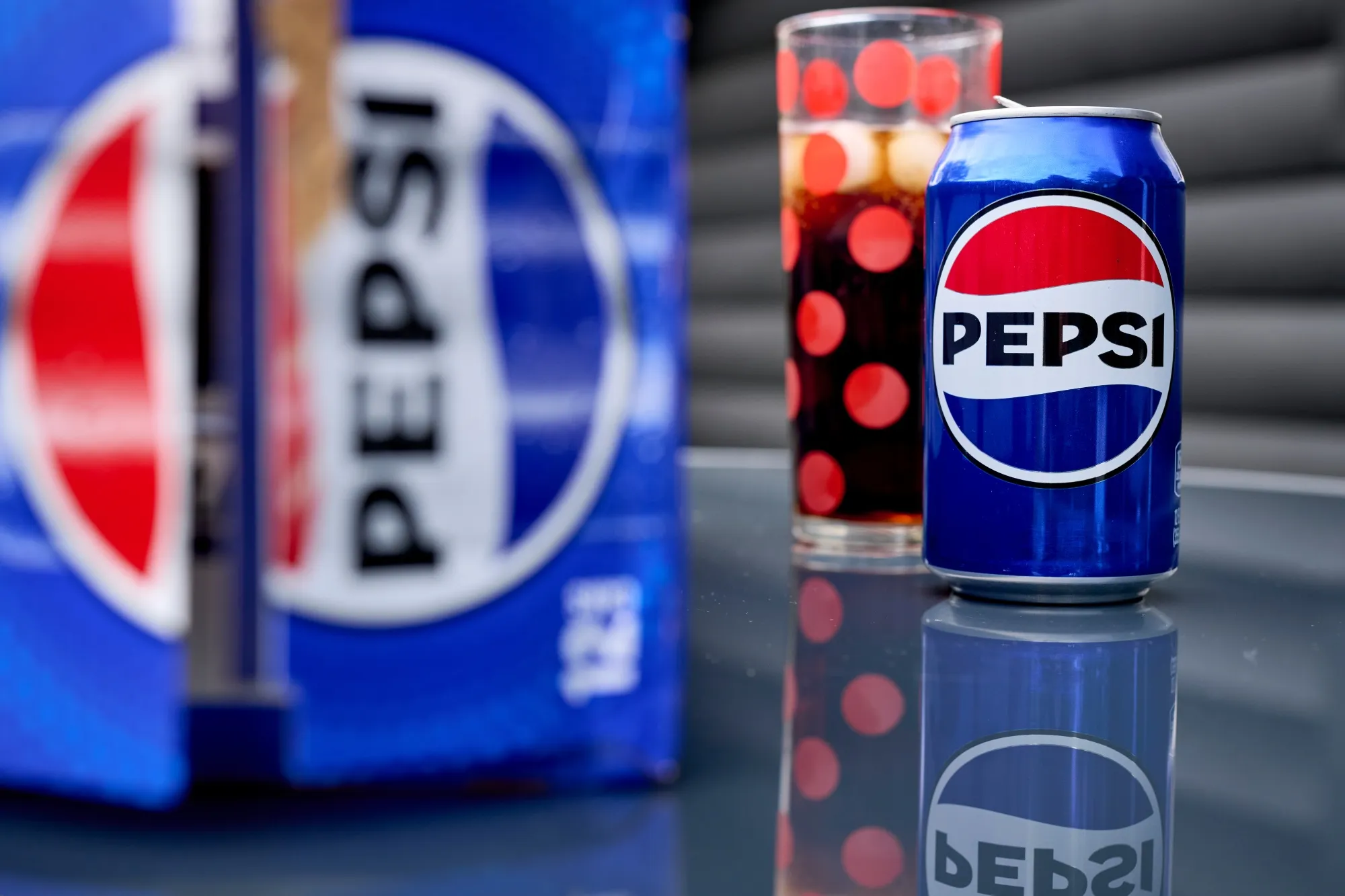
In the fluorescent-lit aisles of an independent grocery store, a few cents can be the difference between a loyal customer and foreclosure sign. But according to unsealed federal documents from 2025, those cents weren’t being decided by the ‘invisible hand’ of the free market, they were being policed by a Board room. Following the Federal Trade Commission’s recent decision to drop its landmark lawsuit against PepsiCo in May 2025, debates across the nation have resurged about the death of fair competition in the American marketplace and how the collectivization of private industries is affecting consumer prices. The two mega corporations, Pepsi and Walmart, were accused of breaking anti-trust laws. These laws included the 1890 Sherman Antitrust Act, which seeks “to bar companies from becoming monopolies and ban secret restrictions on competition,” and the 1936 Robinson-Patman Act, which prohibits companies from engaging in price discrimination that benefits large retail corporations at the expense of small businesses.
The lawsuit, authorized in January 2025, alleged that PepsiCo engaged in a systemic “price discrimination” scheme to protect Walmart’s market dominance at the expense of everyone else. According to unsealed internal documents, the “managed market” functioned through a strictly monitored price gap strategy. PepsiCo allegedly tracked the retail prices of Walmart’s competitors, even regional chains like Food Lion, and “penalized” those who tried to undercut the retail giant, effectively ensuring that Walmart’s “Everyday Low Prices” were maintained not by competition but by the artificial suppression of the rest of the market.
Despite the clear involvement of managing markets, in May 2025 the class action lawsuit came to a halt with the FTC’s decision to dismiss the case, labeling the suite a “political hunch.” By doing this, the FTC erased the work done under the Biden Administration and former FTC chair Lina Khan that made antitrust enforcement a central pillar of the Biden administrations economic policy. The FTC walking away from this case shows a return to the “Consumer Welfare Standard” that argues that as long as corporate giants like Walmart keep prices low for the end user, it doesn’t matter how many smaller competitors it crushes in the process. Although the consumer may not bat an eye because they reap the benefits of low costs, in reality this corporate consolidation is killing market competition in America.
The dismissal of the PepsiCo case isn’t an isolated incident, but rather a small incident embedded in a growing consolidation of corporations. Whether it’s the food people eat, the music people listen to, or the beds people sleep in, the ‘Invisible Hand’ has been replaced by a proprietary algorithm. Although consumers are presently content with Pepsi and Walmart’s insider deals to keep prices low, when independent grocers go out of business because of their inability to keep up, the corporate giant will have no market competition and the unfettered ability to manipulate prices as it pleases. The consolidation of corporations and reduction of market competition doesn’t just stop at grocery store prices, but also where we get our information from. Since the beginning of the Trump administration, the Federal Communication Commission (FCC) began striking down rules that prevented a single company from owning multiple top-tier TV stations in the same city, allowing for hyper consolidation such as the Skydance and Paramount Global merger and Netflix Acquiring the rights to the WWE and NFL as it transitions to a live streaming company. The consolidation of media has an array of very worrisome consequences and comes at the cost of local and state politics compared to national coverage.
The dismissal of the PepsiCo case and the concentration of media are two sides of the same coin: the death of choice. In both the grocery aisle and the newsroom, the diversity of the “free market” is being replaced by a corporate monoculture where a few boardrooms set the rules. Although troubling, there is some hope in the future of anti-trust laws with TicketMaster and Live Nation just lost a major monopoly case. The New York jury concluded that because of the companies’ practices, consumers from certain states were “overcharged by $1.72 per ticket.” Although this, in addition to the 280 million dollar settlement with Ticketmaster and Live Nation with the Department of Justice back in March, is a win against the development of monopolies, the United States has a long way to go before making market competition a priority again in the U.S. Whether it’s a soda aisle in Georgia or a concert venue in New York, market competition is a pivotal foundation of the American economy and should be protected.