By: Celina Simone
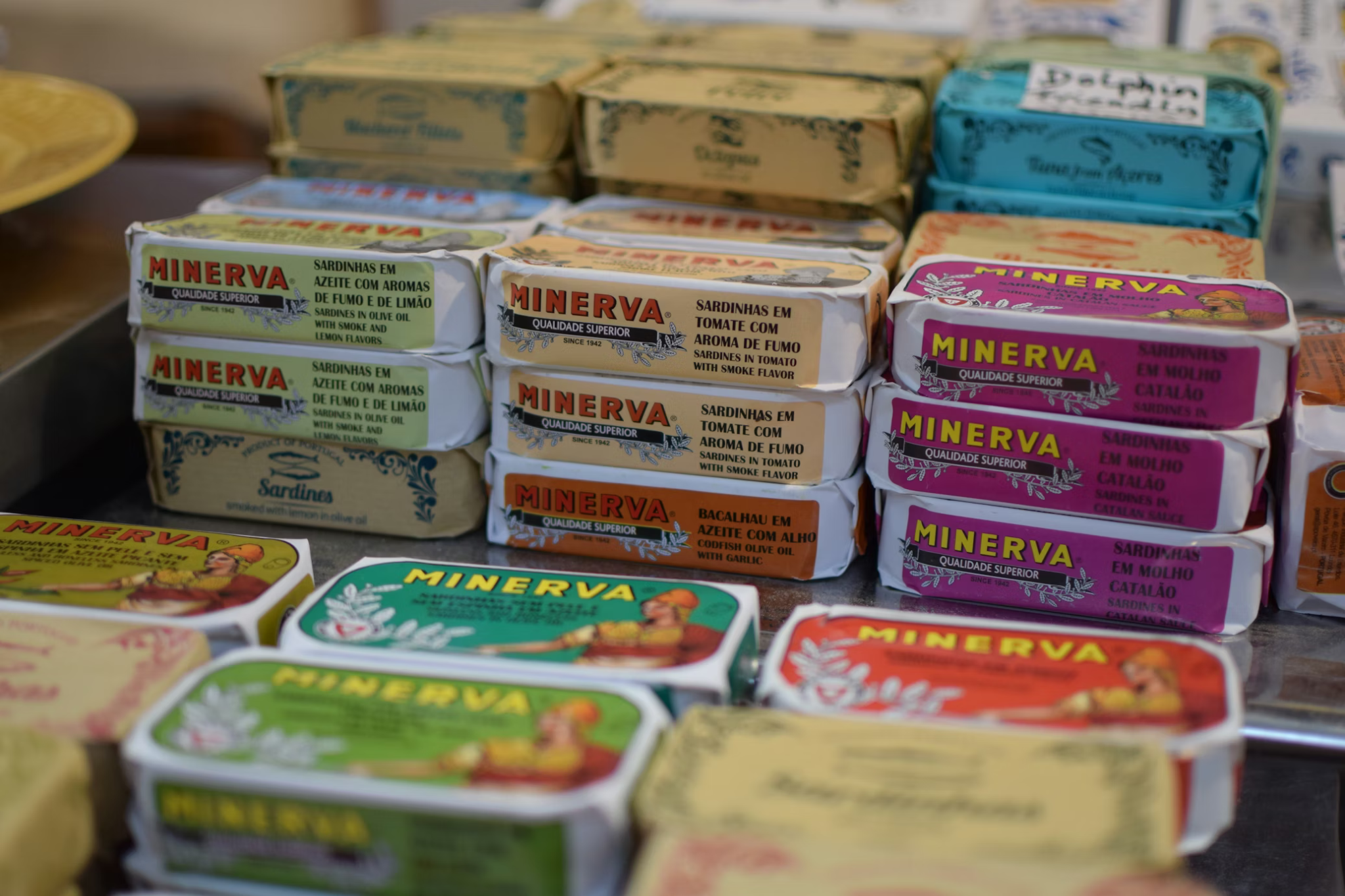
Tinned fish is now the world of foodies’ hottest trend. High-end restaurants, cookbooks, artisan food brands, and even James Beard-nominated influencers have based their entire aesthetics on celebrating the little fish swimming in cans of oil. You can even find a list of “12 Fish-Forward Gifts We Love” by the New York Times, for the friends that jumped on the trend.
But this new obsession with tinned fish is not an isolated phenomenon. Tinned fish represents a larger system in which foods are gentrified, altered, and repackaged to fit a larger audience’s tastes, often becoming too expensive and out of reach for their original consumers.
The origins of tinned fish speak to its humble nature. The idea of preserving fish was originated by the French, and the tins were invented by the British. It was the Portuguese who would grow the practice and become one of the largest exporters as a method of growing its already large fishing industry, combined with the creation of pasteurization and its ancient strategies of preserving fish with salt.
In 2020, tinned fish boomed in popularity with lower-income eaters who viewed it as a shelf-stable, convenient way to incorporate protein or flavor into a meal. For luxury buyers, European varieties could be seen as high-end souvenirs or tasting experiences, but for the most part, the cans that flanked domestic grocery store shelves maintained their humble prices and simpler connotations.
It wasn’t until the era of TikTok and pandemic culture shifts that tinned fish boomed in popularity. During the pandemic, we could not dine at up-scale restaurants with friends and family anymore–but we could scroll. On For You Pages you could watch a plethora of tinned fish influencers sample new brands, explain pairings, and arrange “Girl Dinners,” or dinners with a bunch of small items versus a main entree and sides. Since the average consumer couldn’t splurge on dining out anymore, why not splurge on a European variety of tinned fish?
This online popularity is coupled with the “lipstick” phenomenon, or the idea that during a time of economic crisis or struggle, consumers do not feel comfortable spending on large luxuries. Instead, they spend on small indulgences–also known as a “small treat”–like a $5 chocolate chip cookie sprinkled with Maldon salt, a $12 lavender latte with lavender cold foam, or even an artisanal tin of smoked salmon with chilli crisp for $14.79. The growing popularity of tinned fish led to more artisanal brands like Fishwife entering the market and succeeding. Brands like it market the sustainability, health benefits, and deliciousness of their product in revamped, colorful packaging. The projected value of the global tinned fish market is expected to reach $48.83 billion by 2030.
But where does that leave original tinned fish consumers?
Tinned fish import prices have risen steadily, due to a combination of United States foreign policy and a growth in demand. Pantry staple brands like Bumblebee (that before the trend were on track to declare bankruptcy) have begun releasing high-end products. This follows the theory of “product gentrification,” which is when a product is refined to appeal to a larger segment of the population, typically the middle to upper class section. The overall identity of the product is the same, but its characteristics (how it is marketed, options, flavors, etc.) are altered to appeal to a larger audience. The quantity and price of the product will rise with its new popularity.
The tinned fish boom is still in its early stages, but trends in product gentrification show it will continue to rise in price and may lose some of its original customer base.
This assumption has left a bad taste in some consumers’ mouths. Some have noted that tinned fish are now becoming more expensive than their fresh counterparts. Others have pointed out that tinned fish isn’t as sustainable as it seems, and the fish industry as a whole still practices overfishing, dangerous conditions, greenwashing, and a lack of transparency overall. Even the aforementioned James Bear-nominated tinned fish influencer has pointed out the hypocritical nature of the industry: accepting higher quality tinned fish products, while looking down at those who still purchase its cheaper counterpart.
The trend’s rocketing popularity leaves a lot of questions for what the average tinned fish consumer should do. On one hand, products gaining popularity, trickling up to a larger market, and growing in quantity and price is the natural way of supply and demand. There is currently still a scale of very cheap to very expensive tinned fish, though prices are increasing. At what point do producers and consumers need to step in and decide if the trend has gotten too big and prohibitively expensive? How can we protect original consumers and small businesses that cannot compete in the new market?
It is difficult to say what the future of tinned fish holds. But if there’s one thing that hasn’t been changed, it’s that the industry as a whole still smells pretty fishy.