By: Sarah Kate Maher
As any foodie knows, food is not just sustenance; it is immensely emblematic of different cultures, regions, and phases of life. Nowhere is this more evident than in the American South, where the convergence of diverse cultures forms a distinctive region of the nation. Among the many defining factors of the South, cuisine is one of the distinguishing hallmarks, defined as “home-style cooking rooted in local ingredients, necessity, and frugality.”
The food that Southerners enjoy today emerged from the intersection of three foundational cultures: Native American, West African, and European. Corn, a cornerstone of Southern food, hails from Native American culture, as well as the technique of salting and frying meat for preservation. Okra, now a Southern staple, came from West Africa, along with some of the most recognizable of Southern dishes: shrimp and grits, gumbo, and the famous lowcountry boil, entailing seafood, sausage, and vegetables simmered in a flavorful broth. Europeans brought pork, which has become the centerpiece of quintessential Southern fare in dishes like pulled pork, biscuits and gravy, and ribs.
Although Southern food is now enjoyed by people of all backgrounds and ethnicities, its origins are far from egalitarian. Much of the cuisine was developed by enslaved individuals, who were often given remnants of meat and vegetables deemed “inedible” by their white enslavers. From these “scraps” arose delectable soul food dishes, popularized by communities like the Gullah Geechee, who were descendants of enslaved Africans brought to coastal regions in the Carolinas, Georgia, and Florida. Despite beginning as a product of survival, these unique dishes and cooking techniques have come to represent the South and a culture rich with history.
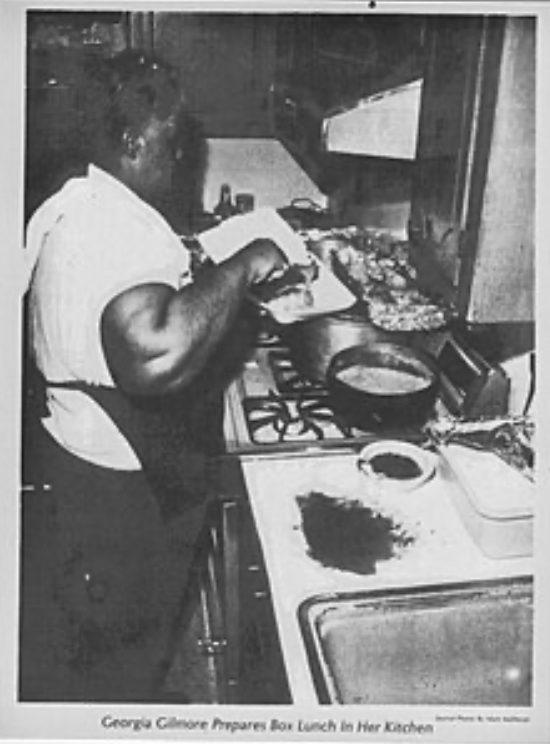
Southern food and the identity that evolved from it also functioned as an act of resistance during the Civil Rights Movement of the 1960s. For example, Fannie Lou Hamer, leader of the Mississippi Freedom Democratic Party, created the Pig Bank, a livestock-sharing initiative that provided rural Black families with pigs to eat. In addition, Georgia Gilmore, a civil rights activist from Alabama, founded the Club From Nowhere, which sold home-cooked meals to support the Montgomery bus boycotts of 1955-1956. Initiatives like these transformed nourishing meals into symbols of resistance, feeding not only individuals, but a collective call for change that couldn’t go unheard.
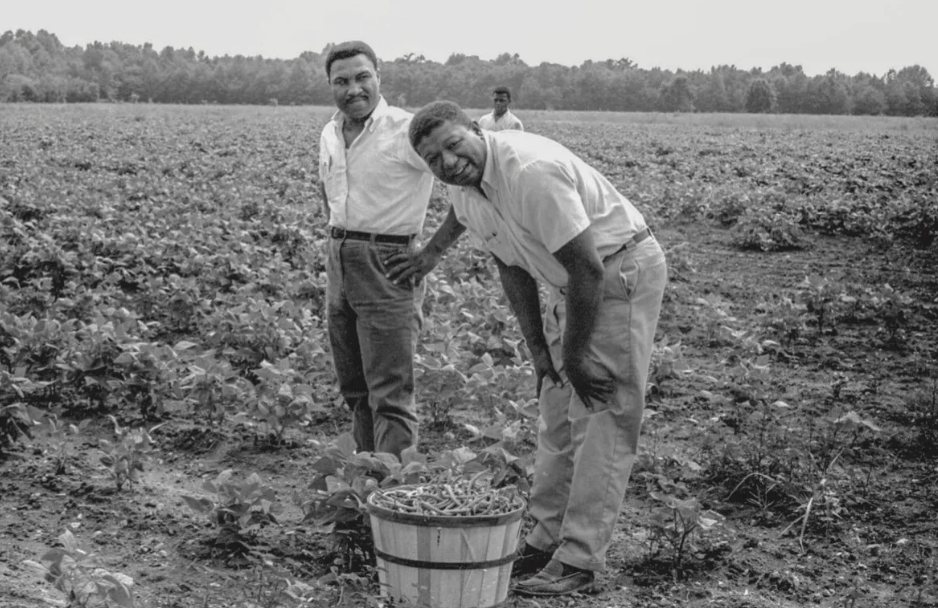
Hamer later founded the Freedom Farm Cooperative in 1969, which supplied farmland and crops to rural Black communities, addressing the epidemic of poverty and fulfilling basic needs. This push to provide essential resources and address unfair allocation allowed Black families to stay in the South and led to dishes that developed from crops that were plentiful in the area, including collard greens and boiled peanuts. The work of Hamer and her contemporaries embodied the deep link between nourishment and liberation.
The use of food to aid a political and cultural movement reflects a broader concept called emancipatory food power, or the ability to challenge existing power dynamics by controlling the creation and distribution of food. This concept explains how food acted as both a means of survival and a strategy for empowerment. Programs like the Pig Bank, Club From Nowhere, and the Freedom Food Cooperative illustrated how growing crops and cooking Southern meals fostered economic independence and advanced the struggle for civil rights.
The Food for Freedom Program, created in 1962 by the Student Nonviolent Coordinating Committee, further illustrated emancipatory food power. Designed to feed Black families in Greenwood, Mississippi, it included cooperatives such as the North Bolivar Food Cooperative, which was one of the most expansive co-ops in the program. These co-ops grew and distributed Southern staples like corn, okra, and greens. Initiatives like these nourished entire communities while fortifying the self-sufficiency essential to the Civil Rights Movement. The successes gained from this call for social justice owe some credit to the passion of organizers like Hamer and Gilmore who understood that freedom begins at the dining room table.
The roots of Southern food lie in a form of protest, as communities showed their ability to transform “scraps” into a celebrated cuisine. From crop-sharing programs to kitchen-based activism, the dishes now synonymous with comfort and hospitality were born from struggle and perseverance, reflecting the diverse history of Southern culture. Each dish enjoyed today carries a story of courage, endurance, and liberation, a testament to how something as ordinary as food can shape astounding change.